Six Become Forty-Nine: A Decade of Recovery at Zziwa
Zziwa Rhino Wildlife Sanctuary is one of Africa’s most significant conservation success stories. In 2005, the sanctuary began with just six southern white rhinos. Through dedicated protection and management, that population has grown to forty-nine individuals.
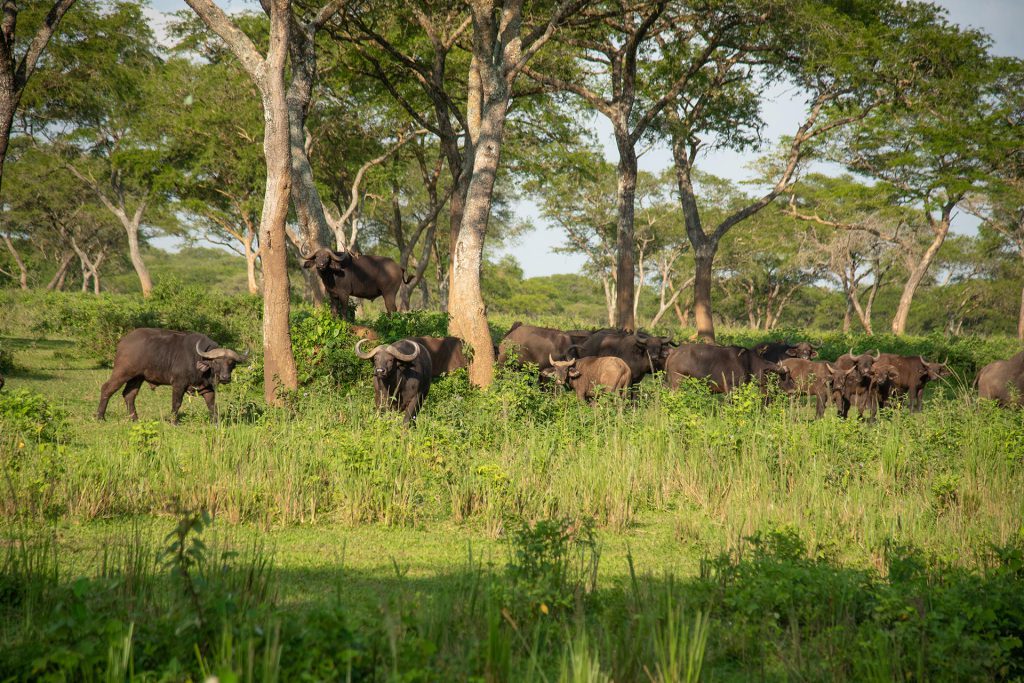
However, success often brings new challenges. The open grasslands that the rhinos rely on for forage have been increasingly threatened. Invasive plant species, particularly Lantana camara, had spread silently across the sanctuary. By the time structured intervention was called for, approximately half of Zziwa’s grassland area was covered in dense, unpalatable vegetation, directly competing with the native grasses the rhinos need to survive.
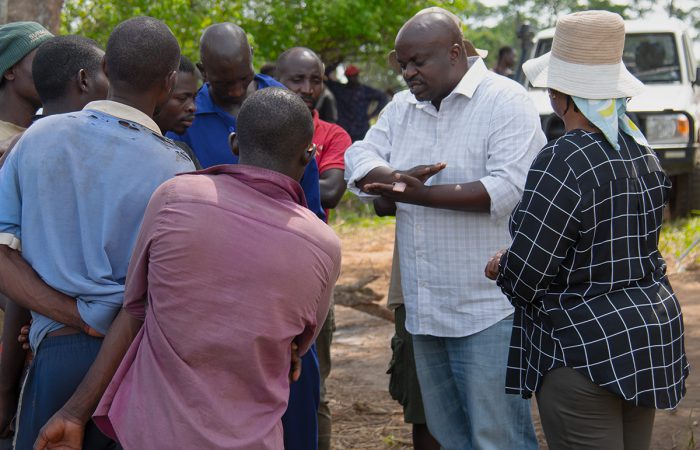
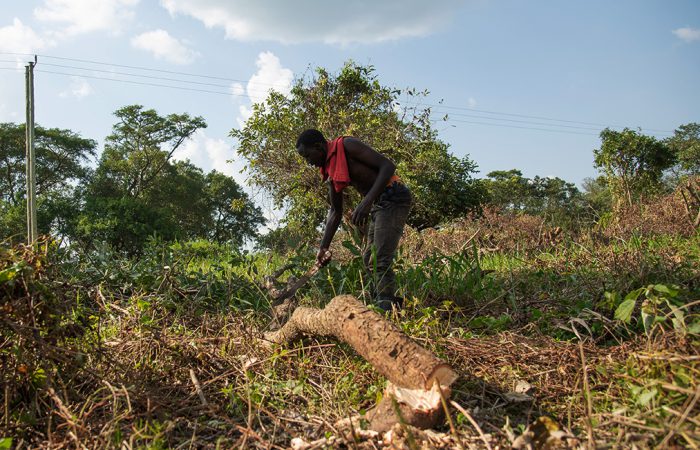
MCCA was contracted to design and implement a sustainable invasive species management programme across two hundred acres of affected land. Our field teams executed a rigorous, phased operation. We began with a full audit and mapping of the affected areas, followed by mechanical removal of the Lantana camara through cutting, uprooting, and mulching.
Crucially, we did not just clear the land; we restored it. Cleared areas were immediately replanted with native Rhodes grass (Chloris gayana), ensuring a rapid return of forage availability. We then implemented a post-intervention monitoring system using GIS tracking and wildlife health surveys to assess regrowth and habitat recovery.
The Zziwa project proves that even the most successful conservation initiatives require active, long-term habitat management. By securing the sanctuary’s grassland, MCCA helped protect the forage base for the next generation of rhinos, proving that evidence-based restoration is the foundation of species survival.