
Turning Waste Into Fuel: Inside MCCA’s Briquette Initiative
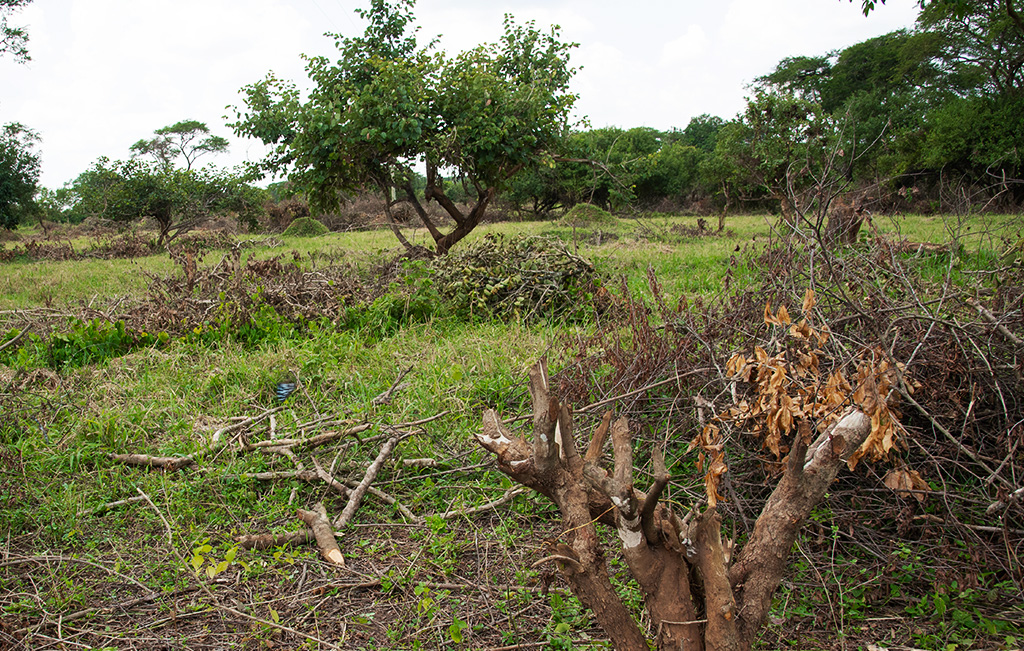
A major logistical challenge in large-scale habitat restoration is what to do with the extracted biomass. When MCCA clears hectares of dense invasive species like Acacia nilotica, we are left with massive volumes of uprooted wood and brush. Traditionally, this waste is burned or left to decay, but MCCA is pioneering a different approach.
We are converting this biological waste into clean-burning briquettes. The initiative is a core component of our climate adaptation strategy and a significant step towards financial resilience.
The process involves harvesting the cleared invasive biomass, carbonising it, and pressing it into dense briquettes used for cooking and heating. The benefits are twofold. Ecologically, it provides a sustainable, affordable alternative to charcoal, significantly reducing the logging pressure on Uganda’s remaining native forests. Economically, it creates a manufacturing enterprise that provides local employment and generates independent revenue for MCCA.
Strategically, the briquette initiative is vital for broadening our funding base. It allows MCCA to tap into climate resilience and green energy funding streams, moving beyond the limitations of biodiversity-only grants. It demonstrates to institutional funders that MCCA operates with a diversified, sustainable financing model. The climate crisis requires innovative, cross-sector solutions. By turning an ecological problem into a renewable energy solution, MCCA is proving that habitat restoration can also power a greener economy.