STRATEGIC PARTNERSHIPS

WE CAN'T
WORK ALONE

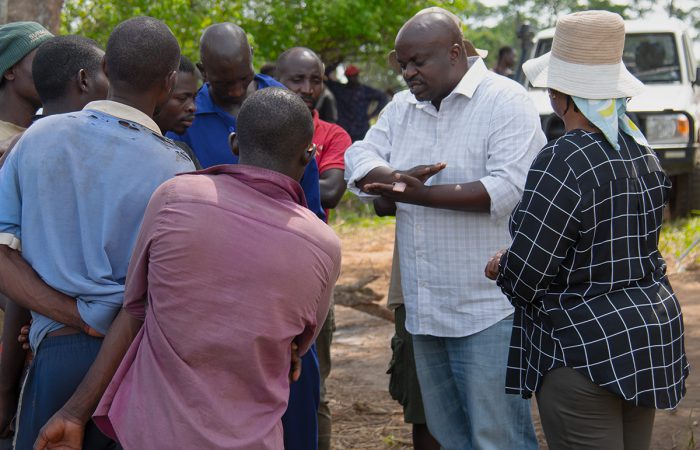
Drawing from years of hands-on experience on the frontlines of habitat restoration, we partner with park authorities, lodges, and national bodies to deliver evidence-based conservation that tackles invasive threats fully.

MCCA|Model|Partnership-Led Delivery

STRATEGIC PARTNERSHIP

We work to ensure that our restoration interventions have predictable, adequate, and sustained institutional backing at both the site and national levels. We also mobilize partners to understand the scale of habitat loss today, and the practical solutions offering real hope for tomorrow.

Through shared and deliberate action, we can prevent habitat loss and help wildlife and communities live and thrive together side by side.

Progress against invasive vegetation is possible, but it requires a genuine effort from every stakeholder, park authorities, lodge operators, funders and nearby communities, to shift the tide. Partnership for shared resources, aligned policy and better accountability is vital to create the lasting change that is needed here.

Partnership approach

  • Delivering joint site assessments and restoration planning alongside park authorities and lodges on every project site.
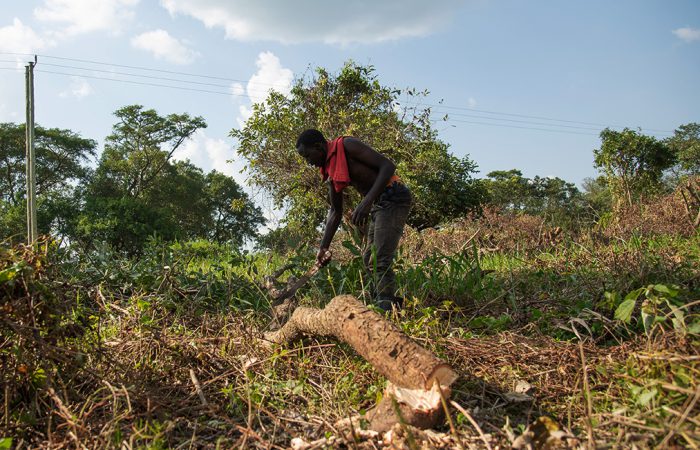
  • Leading and coordinating evidence-based removal work along the habitat system. Serving as a technical field partner to institutional stakeholders directly on every site.
GET INVOLVED

3 WAYS TO SUPPORT US

Partner With Us

Become a Partner
for Change

Park authorities, tourism operators, and lodges: contract MCCA as your habitat restoration partner. Site assessments, invasive removal, and long-term monitoring, delivered alongside your team, not independently.

Fund Our Work

FUND A PROJECT
THAT LASTS

Foundations, NGOs, and institutional funders: support evidence-based restoration with documented, measurable outcomes and direct alignment to Uganda’s national conservation priorities and standards.

Volunteer With Us

GAIN FIELD
EXPERIENCE

Early-career conservationists and students: gain hands-on fieldwork experience across invasive vegetation removal, long-term site monitoring, community beekeeping, and wildlife-safe crop cultivation programmes.