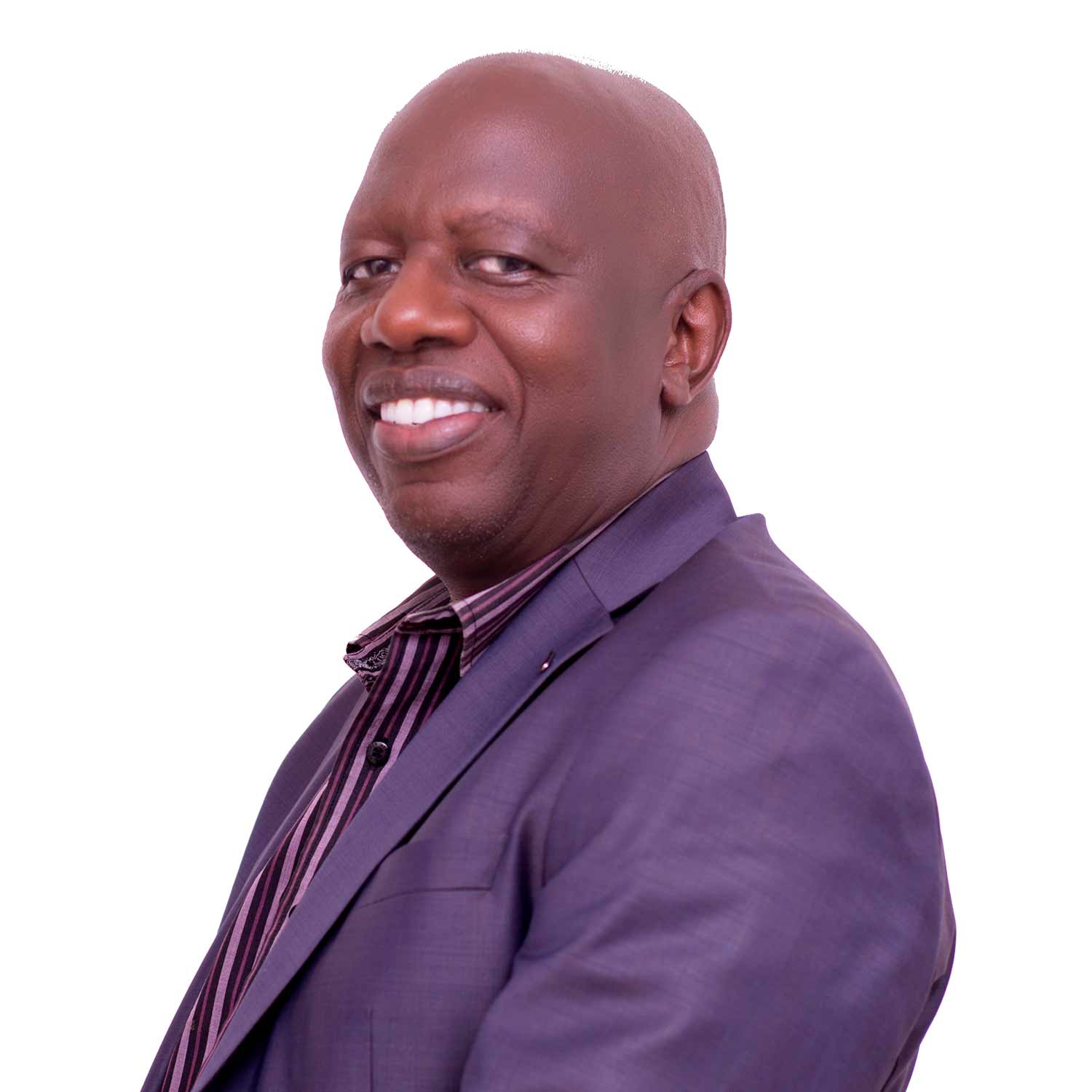
Lucky Brian Wamboka

Head of Programme Quality and Partnerships

Lucky Brian Wamboka

Head of Programme Quality and Partnerships

Biography

Lucky is the Head of Programme Quality and Partnerships at FRA. He is passionate about issues of Natural
Resource Governance and Rights. He is the focal point person for FRA Members and partners with Secretariat andworks to ensure FRA sustains quality work on promoting sustainable access and consumption of safe and nutritiousfood for all. He is the 2018 Young National Wetland Champion recognized by Ministry of Water and Environment and UNDP for using music to promote the wetland conservation campaign in Uganda.

Since 2014, Lucky has had a deeper organizational understanding in strengthening member relations, mobilizing, networking and coordinating them and other stakeholders in their various capacities to promote the Alliance’s agenda. He has dynamic skills especially in policy advocacy, project management and implementation, communication and documentation, monitoring and reporting. He plays a supporting role to the Secretariat team in ensuring effective implementation of Programs.

Our
secretariat staff

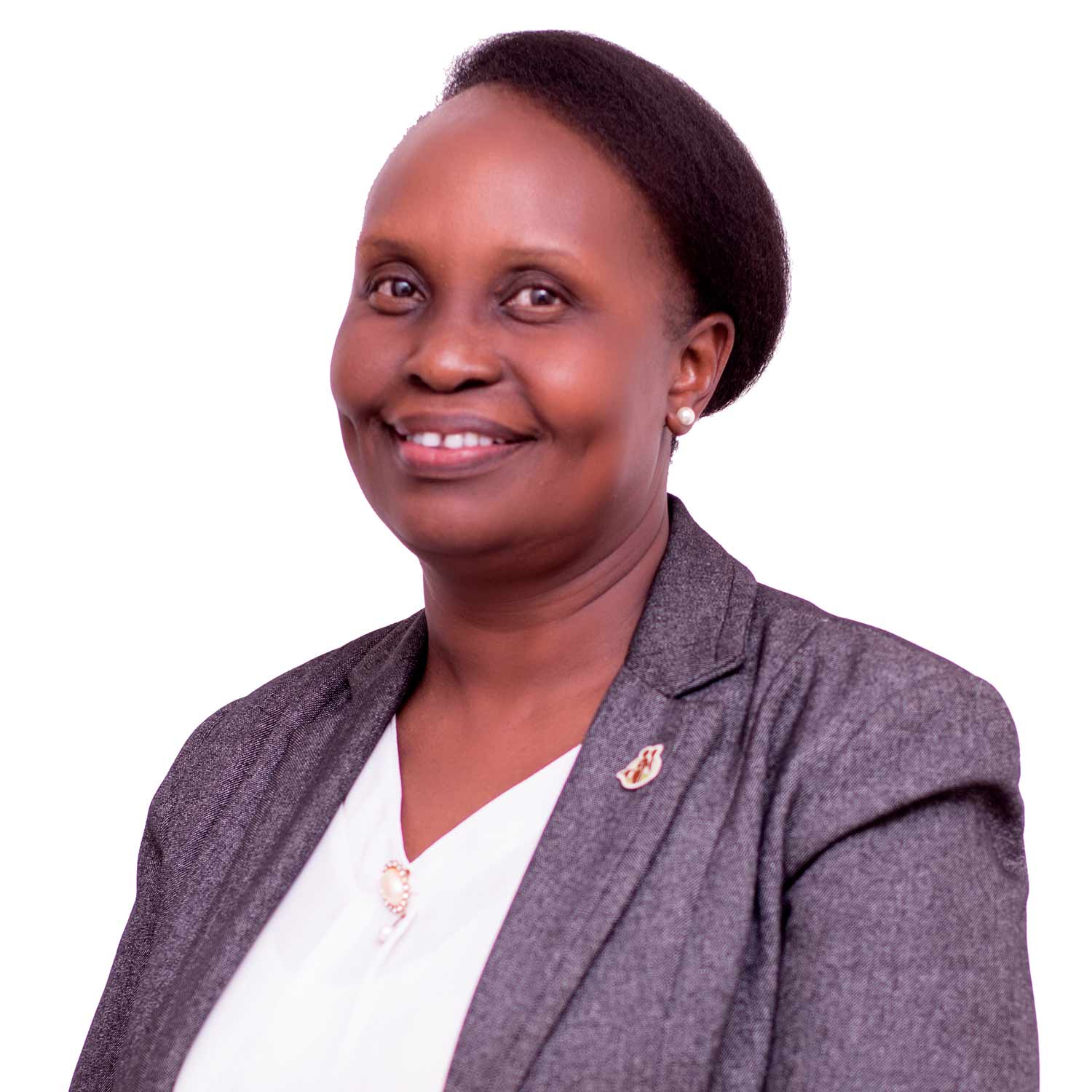
Food Rights Alliance secretariat staff members bring a wide range of experience and deep knowledge of economic and political development towards organizational growth and management to the alliance.

Leadership

Board of Directors

GET INVOLVED

3 WAYS TO SUPPORT US

Partner With Us

Become a Partner
for Change

Park authorities, tourism operators, and lodges: contract MCCA as your habitat restoration partner. Site assessments, invasive removal, and long-term monitoring, delivered alongside your team, not independently.

Fund Our Work

FUND A PROJECT
THAT LASTS

Foundations, NGOs, and institutional funders: support evidence-based restoration with documented, measurable outcomes and direct alignment to Uganda’s national conservation priorities and standards.

Volunteer With Us

GAIN FIELD
EXPERIENCE

Early-career conservationists and students: gain hands-on fieldwork experience across invasive vegetation removal, long-term site monitoring, community beekeeping, and wildlife-safe crop cultivation programmes.