STRATEGIC FOCUS AREAS

CORE STRATEGIC
PILLARS AND AREAS
OF FOCUS

The year 2020 was significant, coming with external and internal changes as the world grappled to contain the COVID-19. This required Food Rights Alliance to change its strategic direction that can be well expressed through our Strategic Plan (2022 – 2026), an engaging and a rethinking process to position ourselves better in a drastic changed environment.

MCCA|Strategic Focus Areas

Strategic Pillars

The year 2020 was significant, coming with external and internal changes as the world grappled to contain the COVID-19. This required Food Rights Alliance to change its strategic direction that can be well expressed through our Strategic Plan (2022 - 2026) an engaging and a rethinking process to position ourselves better in a drastic changed environment.
0%
Of Malnourished Children Who Complete Treatment Are Cured

HOW DO WE SOLVE HUNGER?

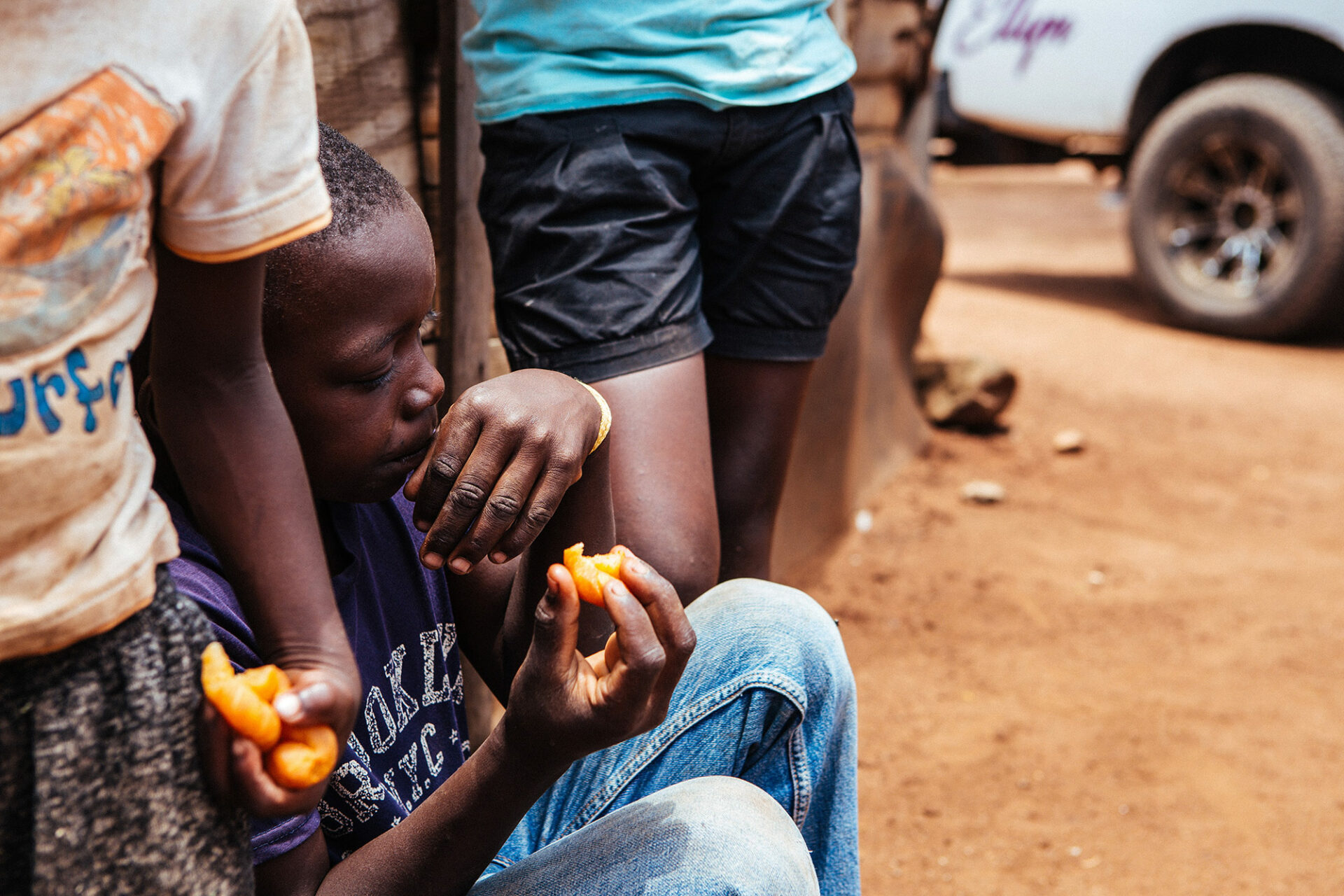
We fight hunger by focusing on the approach that saves the most lives: advocating for the right to food among families and preventing children from becoming malnourished in the first place.

LET'S TAKE ACTION

Together, we can end hunger. Join our fight to save lives, empower communities, and bring positive change to millions of children and families around the nation.

0
The Year We're Committed to Achieving the United Nations' Goal of Zero Hunger
GET INVOLVED

3 WAYS TO SUPPORT US

Partner With Us

Become a Partner
for Change

Park authorities, tourism operators, and lodges: contract MCCA as your habitat restoration partner. Site assessments, invasive removal, and long-term monitoring, delivered alongside your team, not independently.

Fund Our Work

FUND A PROJECT
THAT LASTS

Foundations, NGOs, and institutional funders: support evidence-based restoration with documented, measurable outcomes and direct alignment to Uganda’s national conservation priorities and standards.

Volunteer With Us

GAIN FIELD
EXPERIENCE

Early-career conservationists and students: gain hands-on fieldwork experience across invasive vegetation removal, long-term site monitoring, community beekeeping, and wildlife-safe crop cultivation programmes.