Our History

RESTORING UGANDA'S WILDLIFE HABITATS FOR EVERYONE

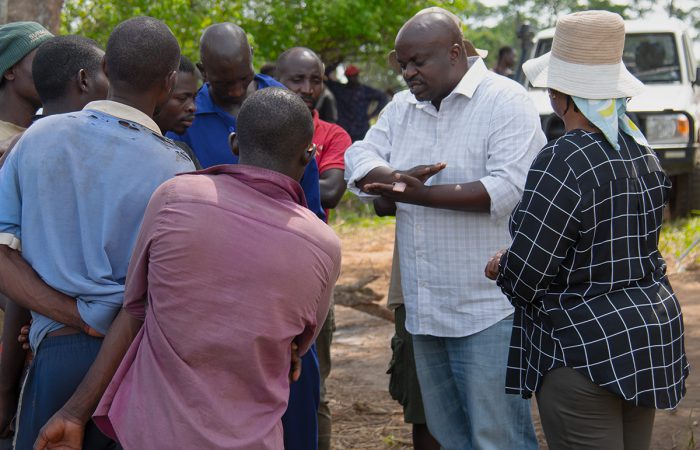
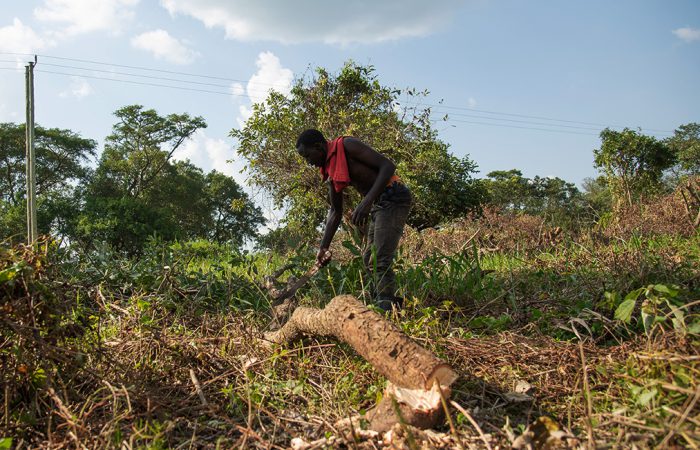
Since our founding in 2025, MCCA has been at the forefront of invasive species removal and habitat restoration in Uganda. We work alongside park authorities, lodges, and communities — combining field delivery with policy alignment, community empowerment, and long-term monitoring.

HISTORY  /  VISION  /  MISSION

OUR HISTORY

Since its founding in 2025, Masindi Conservation & Community Association (MCCA) has been restoring Uganda's degraded wildlife habitats, driven by a vision of healthy ecosystems and thriving communities, and a mission of lasting conservation impact for all.

Masindi Conservation & Community Association is an organisation that takes decisive action against the causes and effects of habitat loss.

Masindi Conservation & Community Association works through its members, partners, and communities for collective action to address the barriers to healthy habitats and thriving wildlife — while building local capacity to sustain these outcomes long term.

The organisation was founded in 2025 by a team of conservationists and community leaders who identified a critical gap: invasive plants degrading Uganda’s most vital tourism zones, with no structured, evidence-based partner to remove them. What began as targeted field work has grown into a recognised restoration partner working alongside park authorities, lodges, and host communities.

In 2025, MCCA was formally established as a Ugandan conservation organisation. Although young, it has quickly built a clear identity — driven by a vision of healthy ecosystems, a mission of lasting conservation impact, and a set of core values that inform every intervention, from first site assessment to long-term monitoring.

OPPORTUNITY
BEGINS
WHERE
HABITAT
LOSS ENDS

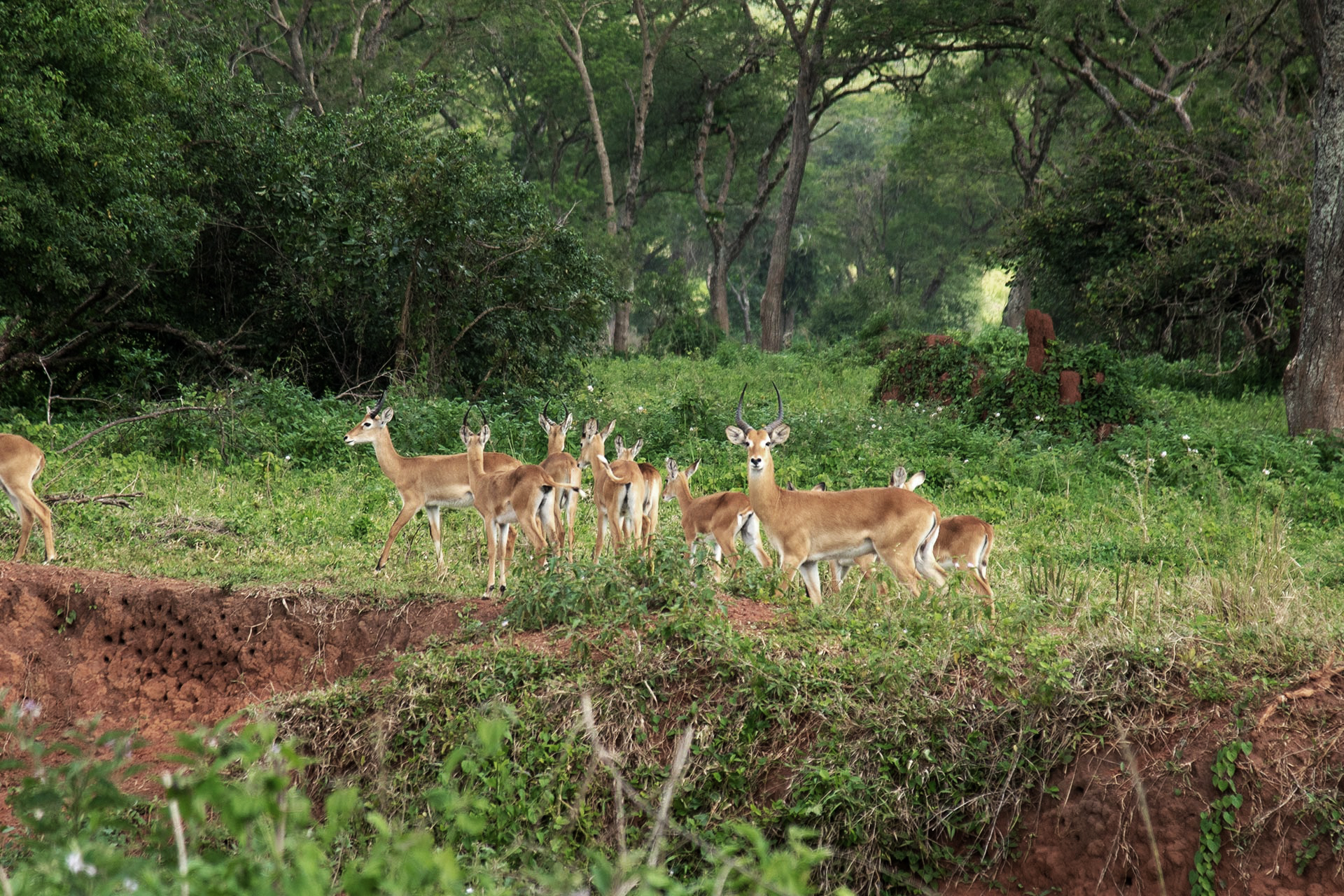
MCCA has led the field movement to restore Uganda’s degraded wildlife habitats, alongside park authorities, lodges, and communities, for wildlife, for people, for good.

0K+
Field sites active across Uganda's vital
tourism zones.
0M
Square metres of invasive vegetation
targeted for removal.

WE RESTORE HABITATS AND BUILD RESILIENT COMMUNITIES

We restore the habitats Uganda’s wildlife depends on. We work alongside our partners before, during, and after every intervention. We constantly search for more effective restoration solutions, and we share what we learn with our partners. We push for long-term, measurable change.

“

The goal of our strategic plan is ‘Restored Habitats and Thriving Wildlife Across Uganda.’ The broad focus is to secure partnerships, mobilise field capacity, and align every intervention with national conservation priorities and standards.

Core Values Commitment

  • Wildlife first, everything later: We are driven by a clear focus on restoring habitats for Uganda's wildlife, in line with national conservation priorities.
  • Partnership-led delivery: We carry out every project alongside park authorities, lodges, and communities - never independently.
  • Field evidence above all: We monitor and document every intervention, because restoration outcomes must be measurable and defensible.
  • Community at the centre: Beekeeping and wildlife-safe crop programmes turn affected communities into stakeholders, not bystanders.

Restoration is not just about removing plants. It is about what follows: native recovery, wildlife return, and communities who benefit from both. MCCA goes the extra mile to support sustainable habitats, equitable access to conservation benefits, and adaptation to climate change.

GET INVOLVED

3 WAYS TO SUPPORT US

Partner With Us

Become a Partner
for Change

Park authorities, tourism operators, and lodges: contract MCCA as your habitat restoration partner. Site assessments, invasive removal, and long-term monitoring, delivered alongside your team, not independently.

Fund Our Work

FUND A PROJECT
THAT LASTS

Foundations, NGOs, and institutional funders: support evidence-based restoration with documented, measurable outcomes and direct alignment to Uganda’s national conservation priorities and standards.

Volunteer With Us

GAIN FIELD
EXPERIENCE

Early-career conservationists and students: gain hands-on fieldwork experience across invasive vegetation removal, long-term site monitoring, community beekeeping, and wildlife-safe crop cultivation programmes.